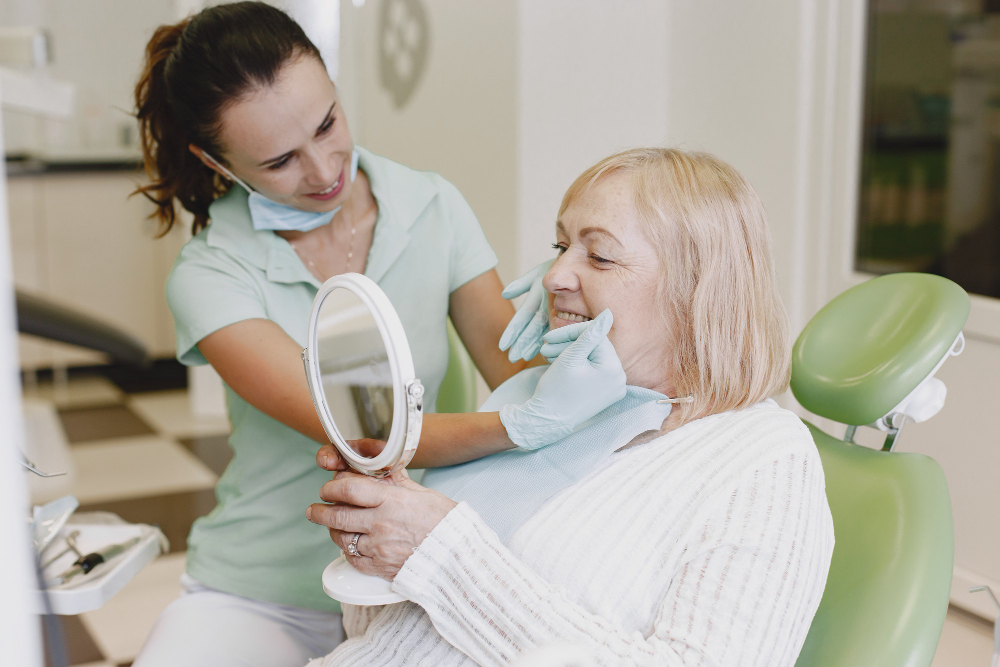
Aging and oral health are closely linked. As we grow older, our bodies change, and so does our mouth. For many people, these changes can affect teeth, gums, and overall dental health. Understanding what changes over time can help you take better care of your mouth. This blog explains how aging affects oral health, what to watch for, and how to keep your smile healthy as you age.
Common Oral Health Changes with Age
As you age, your mouth goes through several changes. Some are normal, but others may need attention. For example, you may notice:
However, not everyone will have all these issues. Still, it is important to know what to expect.
Causes of Oral Health Changes in Older Adults
Many factors can cause changes in oral health as you age. For instance, years of chewing, brushing, and dental work can wear down teeth. In addition, some common causes include:
Because of these factors, oral care for seniors becomes even more important.
Recognizing Symptoms and Early Signs
It is important to notice early signs of oral health problems. For example, you should watch for:
If you notice any of these symptoms, see your dentist soon. Early treatment can prevent bigger problems later.
Diagnosis and Dental Check-Ups for Seniors
Regular dental check-ups are key for older adults. During a visit, your dentist will:
Because problems can develop slowly, seeing your dentist twice a year is a good idea. The CDC and WHO both recommend regular dental visits for seniors.
Treatment Options for Age-Related Oral Health Issues
There are many ways to treat oral health problems in older adults. For instance, your dentist may suggest:
With the right care, many seniors can keep their natural teeth for life.
Lifestyle Tips for Maintaining Oral Health as You Age
Good daily habits can help protect your teeth and gums. For example, you can:
Even small changes can make a big difference in your oral care for seniors.
Prevention: How to Protect Your Oral Health Over Time
Preventing tooth loss with age is possible. Therefore, focus on these steps:
Because prevention is easier than treatment, start these habits early and keep them up as you age.
In summary, aging and oral health are closely connected. Changes in your mouth are normal, but you can manage them with good care. If you have questions or notice changes, consult Signature Smile Dental Care Clinic for advice tailored to your needs.