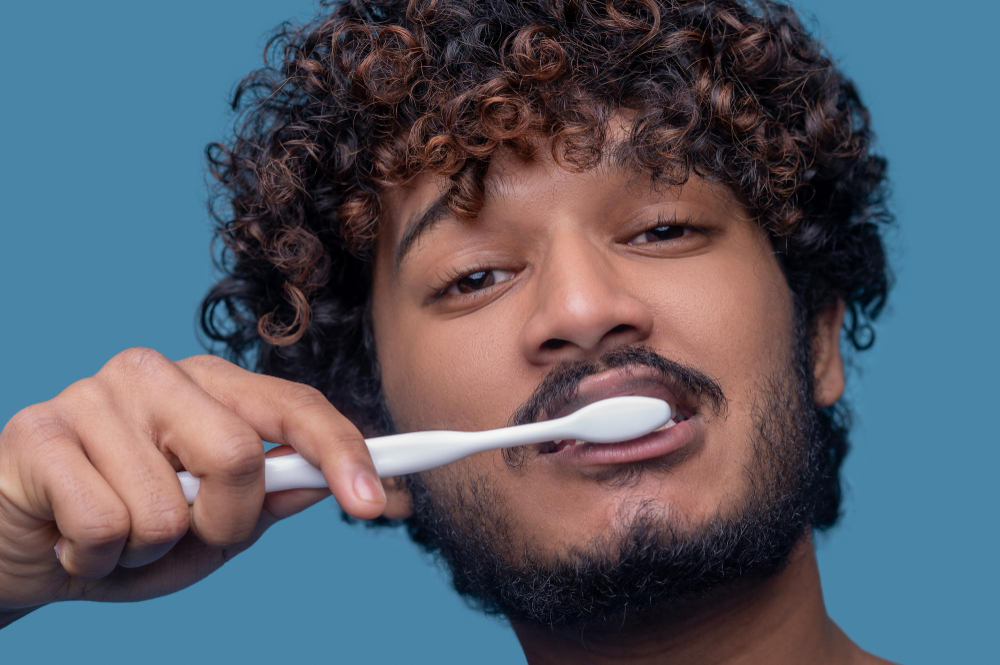
Keeping your mouth healthy starts with good habits. One simple step is knowing how often you should replace your toothbrush. Many people forget this, but using a fresh toothbrush is key for strong teeth and gums. In fact, the American Dental Association (ADA) says that changing your toothbrush regularly helps remove plaque and bacteria. This blog will explain why replacing your toothbrush matters, how often to do it, and tips for better oral hygiene.
Why Replacing Your Toothbrush Matters
First, a clean toothbrush helps remove food and germs from your teeth. Over time, toothbrush bristles wear out and become less effective. As a result, they cannot clean your teeth well. Also, old toothbrushes can collect bacteria, which may lead to gum problems or bad breath. For these reasons, replacing your toothbrush is important for your dental care routine.
How Often Should You Replace Your Toothbrush?
According to the ADA, you should replace your toothbrush every three to four months. However, if the bristles look frayed or worn sooner, it is best to change it right away. After being sick, you should also get a new toothbrush to avoid spreading germs. Children may need to replace their toothbrushes more often, as they tend to chew on the bristles.
Signs It’s Time for a New Toothbrush
Sometimes, you may not remember when you last changed your toothbrush. But there are clear signs that it is time for a new one. For example, if the bristles are bent or look worn, your toothbrush will not clean well. Also, if you notice a bad smell or see mold, it is time to replace it. In addition, if you have been sick, always use a new toothbrush to stay healthy.
Risks of Using an Old Toothbrush
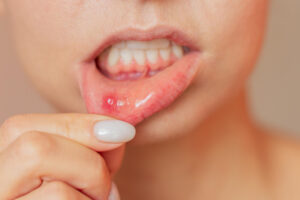
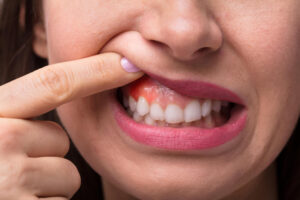
Using an old toothbrush can cause several problems. First, worn bristles do not remove plaque well, which may lead to cavities or gum disease. Also, bacteria can build up on old toothbrushes, increasing your risk of infection. Over time, this can cause bad breath or even mouth sores. Therefore, changing your toothbrush on time helps protect your oral health.
Tips for Toothbrush Care and Maintenance
Proper care can help your toothbrush last longer and stay clean. For best results, rinse your toothbrush well after each use. Store it upright and let it air dry. Do not cover it or keep it in a closed container, as this can cause bacteria to grow. In addition, avoid sharing your toothbrush with others. Always check the bristles for signs of wear, and replace your toothbrush as needed.
Frequently Asked Questions
Can I use my toothbrush longer than four months?
It is not recommended. Even if it looks fine, bristles lose their cleaning power over time. For best oral hygiene, replace it every three to four months.
Should I change my toothbrush after being sick?
Yes, you should. Germs can stay on the bristles and may cause you to get sick again. Always use a new toothbrush after illness.
What about electric toothbrush heads?
Electric toothbrush heads should also be replaced every three to four months. Change them sooner if the bristles look worn or bent.
How can I remember to replace my toothbrush?
You can mark your calendar or set a reminder on your phone. Some people change their toothbrush at the start of each season.
Conclusion
In summary, replacing your toothbrush every three to four months is a simple way to keep your mouth healthy. Fresh bristles clean better and help prevent dental problems. For more tips or personal advice, consult Signature Smile Dental Care Clinic for personalized oral care guidance.