
Introduction
Periodontal diseases, also known as gum diseases, affect the tissues that support your teeth. These conditions can lead to tooth loss if not treated. Understanding the risk factors for periodontal diseases is important for keeping your mouth healthy. According to the CDC, nearly half of adults over 30 have some form of gum disease. Early action can help prevent serious problems.
What Are Periodontal Diseases?
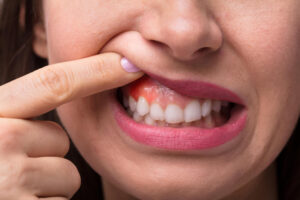
Periodontal diseases are infections of the gums and bone that hold your teeth in place. The most common types are gingivitis and periodontitis. Gingivitis causes red, swollen gums that may bleed. If left untreated, it can turn into periodontitis, which can damage the bone and lead to tooth loss. Good oral care and regular dental visits can help prevent these issues.
Why Understanding Risk Factors Matters
Knowing what increases your risk for gum disease helps you take steps to protect your teeth. For example, some risk factors can be changed, while others cannot. However, even if you have a higher risk, you can still lower your chances with good habits. Early awareness leads to better prevention and healthier gums.
Major Risk Factors for Periodontal Diseases
Many things can raise your risk for gum disease. Below are the most important factors to watch for:
Because many factors can play a role, it is important to know your own risks. Talk to your dentist if you have any concerns.
How to Reduce Your Risk
Even if you have some risk factors, you can take steps to protect your gums. Here are some simple tips:
Because prevention is easier than treatment, these habits can make a big difference.
When to See a Dentist
It is important to see a dentist if you notice signs of gum disease. Watch for:
Early treatment can stop gum disease from getting worse. Therefore, do not wait if you have symptoms.
Conclusion and Call-to-Action
In summary, many risk factors for periodontal diseases can be managed with healthy habits. By knowing your risks and taking action, you can protect your gums and teeth. Consult a dental specialist at Signature Smile Dental Care Clinic for personalized advice on preventing gum diseases.